Every sourdough baker faces the same daily dilemma: that pile of perfectly good starter you're about to toss during feeding. Sourdough discard represents the portion of mature starter removed before refreshing with fresh flour and water, and understanding its potential transforms waste into opportunity while keeping your starter healthy and manageable.
What Sourdough Discard Actually Is
Sourdough discard is the mature starter removed during regular feeding maintenance. When you feed your starter, you typically remove 50-80% of the existing culture to maintain proper ratios and prevent exponential growth. This removed portion contains active wild yeasts and beneficial bacteria, making it a living, flavorful ingredient rather than true waste.
The acidity level in discard varies significantly based on timing. Fresh discard from a recently-fed starter maintains mild tang and moderate leavening power. Mature discard from a starter that's peaked and begun declining carries intense sourness and reduced rise capability. King Arthur Baking confirms that discard retains viable cultures for several days when stored properly, making it valuable for both leavened and unleavened recipes.
Understanding discard composition helps determine its best uses. Fresh discard works well in recipes requiring some lift, like pancakes or quick breads. Older, more acidic discard excels in applications where tangy flavor matters more than leavening, such as crackers or flatbreads.
When to Save Discard vs When to Compost
Not all discard deserves refrigerator real estate. Save discard when your starter shows healthy activity, pleasant aroma, and normal appearance. Viable discard smells yeasty with mild to moderate sourness, maintains consistent texture, and comes from a starter displaying predictable rise patterns.
Skip saving discard from compromised starters. Discard showing mold, off-putting odors beyond normal sourness, or unusual colors should go straight to compost. Similarly, discard from neglected starters that haven't been fed in weeks often carries imbalanced microbiology that won't improve stored products.
Consider your baking schedule when deciding whether to save discard. Weekly bakers benefit from accumulating discard for larger projects, while occasional bakers might find stored discard turns too acidic before use. Match your saving habits to your actual consumption patterns rather than theoretical good intentions.
Fresh starters under two weeks old produce discard with unstable flavor profiles and unpredictable performance. Wait until your starter achieves consistent doubling times and pleasant aroma before committing to discard collection.
Proper Storage Methods and Timeline
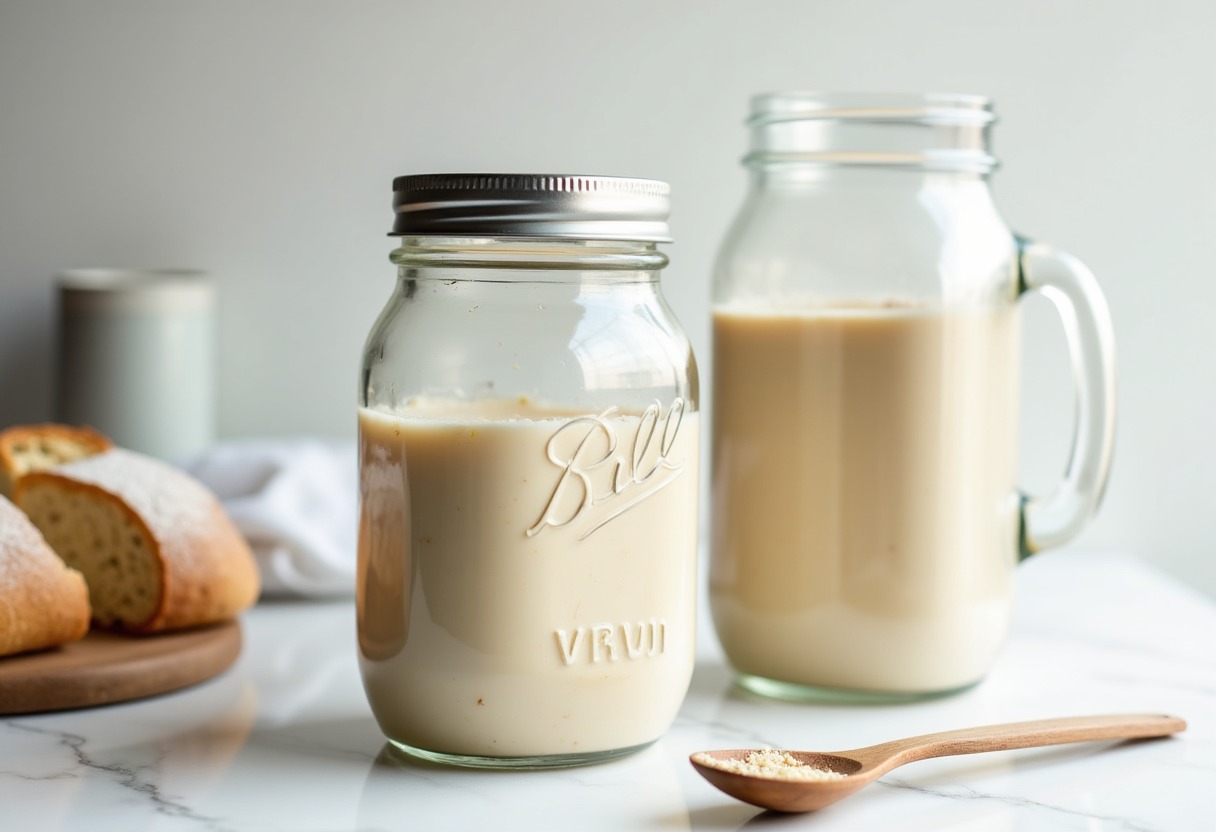
Refrigerator storage extends discard viability up to one week when handled correctly. Transfer discard to → Shop airtight food storage jars on Amazon immediately after removal from your starter. Leave minimal headspace to reduce oxidation, and label containers with collection dates for rotation tracking.
Temperature control significantly impacts discard longevity. Store at 38-40°F in the main refrigerator compartment, avoiding door storage where temperature fluctuations accelerate deterioration. Discard stored too warm develops excessive acidity and potential spoilage organisms within 2-3 days.
| Storage Method | Maximum Duration | Best Uses | Notes | |---|---|---|---| | Refrigerated (sealed) | 7 days | All applications | Monitor for off-odors daily | | Frozen portions | 3 months | Pancakes, waffles | Thaw completely before use | | Counter accumulation | 24 hours | Same-day projects | Only in cool kitchens | | Dehydrated sheets | 6 months | Crackers, flavor base | Rehydrate with warm water |
Multiple discard batches can be combined in the same container, but track the oldest portion's collection date. Mixed-age discard develops complex flavor profiles that work particularly well in crackers and savory applications.
Storage Container Recommendations
Glass containers offer superior discard storage with easy monitoring and neutral flavor transfer. → Shop glass storage containers on Amazon with wide mouths simplify filling and cleaning while maintaining airtight seals. Choose containers sized appropriately for your discard generation - most home bakers accumulate 1-2 cups weekly.
Wide-mouth mason jars provide excellent budget-friendly storage with standardized sizing that fits most refrigerator configurations. The clear glass allows easy inspection for spoilage signs, and the two-piece lids create reliable seals for short-term storage.
→ Shop refrigerator storage bowls on Amazon work well for larger discard quantities, particularly when planning weekend baking projects. Look for bowls with tight-fitting lids and measurement markings for recipe planning.
Avoid plastic containers for extended storage, as acidic discard can absorb odors and impart off-flavors over time. Metal containers pose similar concerns with potential reactive flavors affecting delicate discard characteristics.
→ Shop silicone food covers on Amazon provide flexible sealing options for irregular containers, though they work better for short-term storage than extended refrigeration.
Advanced Discard Management Techniques
Discard dehydration creates shelf-stable starter powder for long-term storage and unique applications. Spread thin discard layers on dehydrator sheets or parchment-lined baking sheets, drying at 95°F until completely crisp. Grind dried discard into powder using a spice grinder for seasoning blends or soup bases.
Freezing discard in ice cube trays provides portion-controlled storage for small-batch recipes. Each cube typically contains 2 tablespoons of discard, perfect for single servings of pancakes or quick bread additions. Frozen discard loses some leavening power but maintains flavor contributions.
Accumulation strategies help maximize discard potential. Collect discard from multiple feedings throughout the week, combining similar-age portions for consistency. This approach works particularly well for weekend baking sessions requiring larger discard quantities.
Consider your Sourdough Starter Complete Guide feeding schedule when planning discard management. Daily feeding schedules generate more consistent discard, while weekly feeding produces variable acidity levels requiring different storage approaches.
FAQ
How long does sourdough discard last in the refrigerator? Properly stored sourdough discard maintains quality for up to one week in the refrigerator when kept in airtight containers at 38-40°F. Check daily for off-odors, unusual colors, or mold development, as these indicate spoilage regardless of storage duration. Discard stored longer than a week becomes increasingly acidic and may develop unpleasant flavors even without visible spoilage.
Can I freeze sourdough discard for later use? Yes, sourdough discard freezes successfully for up to three months, though freezing reduces its leavening power by approximately 30-50%. Freeze in portion-sized containers or ice cube trays for convenient thawing. Thawed discard works best in recipes where flavor matters more than rise, such as crackers, pancakes, or quick breads. Allow frozen discard to thaw completely and reach room temperature before incorporating into recipes.
Should I feed sourdough discard before using it? No, discard should not be fed before use in recipes, as feeding transforms it back into active starter rather than maintaining its intended discard characteristics. Recipes designed for discard account for its specific acidity level and reduced leavening power. Feeding discard before use will alter recipe outcomes and defeat the purpose of discard utilization. Use discard as-is from refrigerator storage for best results.
What's the difference between fresh and old sourdough discard? Fresh discard comes from recently-fed starter and maintains mild tang with moderate leavening capability, making it suitable for pancakes, waffles, and quick breads requiring some rise. Old discard develops intense sourness and loses most leavening power, working better in unleavened applications like crackers, flatbreads, and flavor additions to bread dough. Age affects both flavor intensity and functional properties significantly.
Can sourdough discard go bad or become unsafe to eat? Sourdough discard can spoil and become unsafe, typically showing visible mold growth, putrid odors beyond normal sourness, or unusual colors like pink or black streaks. The acidic environment provides some protection against harmful bacteria, but proper storage and timely use remain essential for food safety. When in doubt, discard questionable discard rather than risk illness - trust your senses and err on the side of caution with any suspicious changes in appearance, smell, or texture.
Proper discard management transforms daily starter maintenance from wasteful chore into creative opportunity, extending your sourdough practice beyond basic bread while maintaining the health of your primary culture.
Some links on this page are affiliate links. We may earn a small commission if you purchase through them, at no extra cost to you.
As an Amazon Associate we earn from qualifying purchases. This article contains affiliate links; if you buy through them we may earn a small commission at no additional cost to you.